Signed in as:
filler@godaddy.com

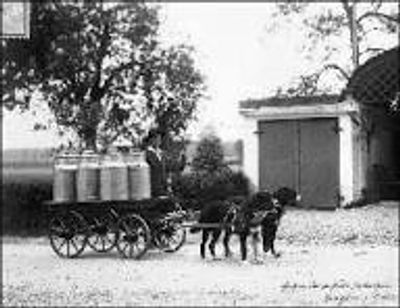
By the late 1800s, modernization began replacing many of the jobs Swissys had traditionally performed.
As horses, railroads, and eventually motor vehicles became more common, the need for draft dogs steadily disappeared. Because fewer people relied on these working dogs, their numbers declined dramatically.
By the beginning of the twentieth century, the Greater Swiss Mountain Dog had become extremely rare and was thought by many to be close to extinction.
The breed's survival is largely credited to Swiss geologist and renowned canine expert Professor Albert Heim.
In 1908, during the 25th anniversary dog show of the Swiss Kennel Club, Heim noticed two large, short-haired dogs that had been entered as Bernese Mountain Dogs. He immediately recognized that these dogs represented a distinct type of the old Swiss farm dog.
Thanks to Heim's efforts, the breed received official recognition the following year. In 1909, the Grosser Schweizer Sennenhund (Greater Swiss Mountain Dog) was entered into the Swiss Stud Book as a separate breed.
His dedication helped save the breed from disappearing forever.
Although the breed remained uncommon, it proved its usefulness once again during World War II.
The Swiss Army used Greater Swiss Mountain Dogs as draft dogs, pulling supplies and equipment through mountainous terrain where vehicles often could not travel. Their strength, endurance, and steady temperament made them valuable working partners during a time when reliable transportation was essential.
By the mid-1940s, it was estimated that only 350 to 400 Greater Swiss Mountain Dogs remained, making careful preservation of the breed more important than ever.

The first Greater Swiss Mountain Dogs arrived in the United States in 1968 when J. Frederick and Patricia Hoffman imported the breed with assistance from Perrin G. Rademacher.
Soon afterward, dedicated enthusiasts founded the Greater Swiss Mountain Dog Club of America (GSMDCA). Through careful breeding, education, and responsible stewardship, the club worked to preserve the breed's health, temperament, and working heritage.
Important milestones include:
When Swissies first came to the USA in 1968, they had homes in two states…one was Pennsylvania. The Summons family of Reading had one of the first Swissies in America.
Today, the Greater Swiss Mountain Dog remains one of the rarer breeds recognized by the American Kennel Club. While no longer relied upon as an everyday draft dog, the Swissy continues to excel in many activities that showcase the breed's versatility and willingness to work.
Many Swissys enjoy:
Above all, they are cherished as devoted family companions. Their calm confidence, affectionate nature, intelligence, and strong work ethic remain much the same as they were hundreds of years ago, making the Greater Swiss Mountain Dog a remarkable living link to Switzerland's agricultural history.